
Hidden Risk
21 Jan 2026
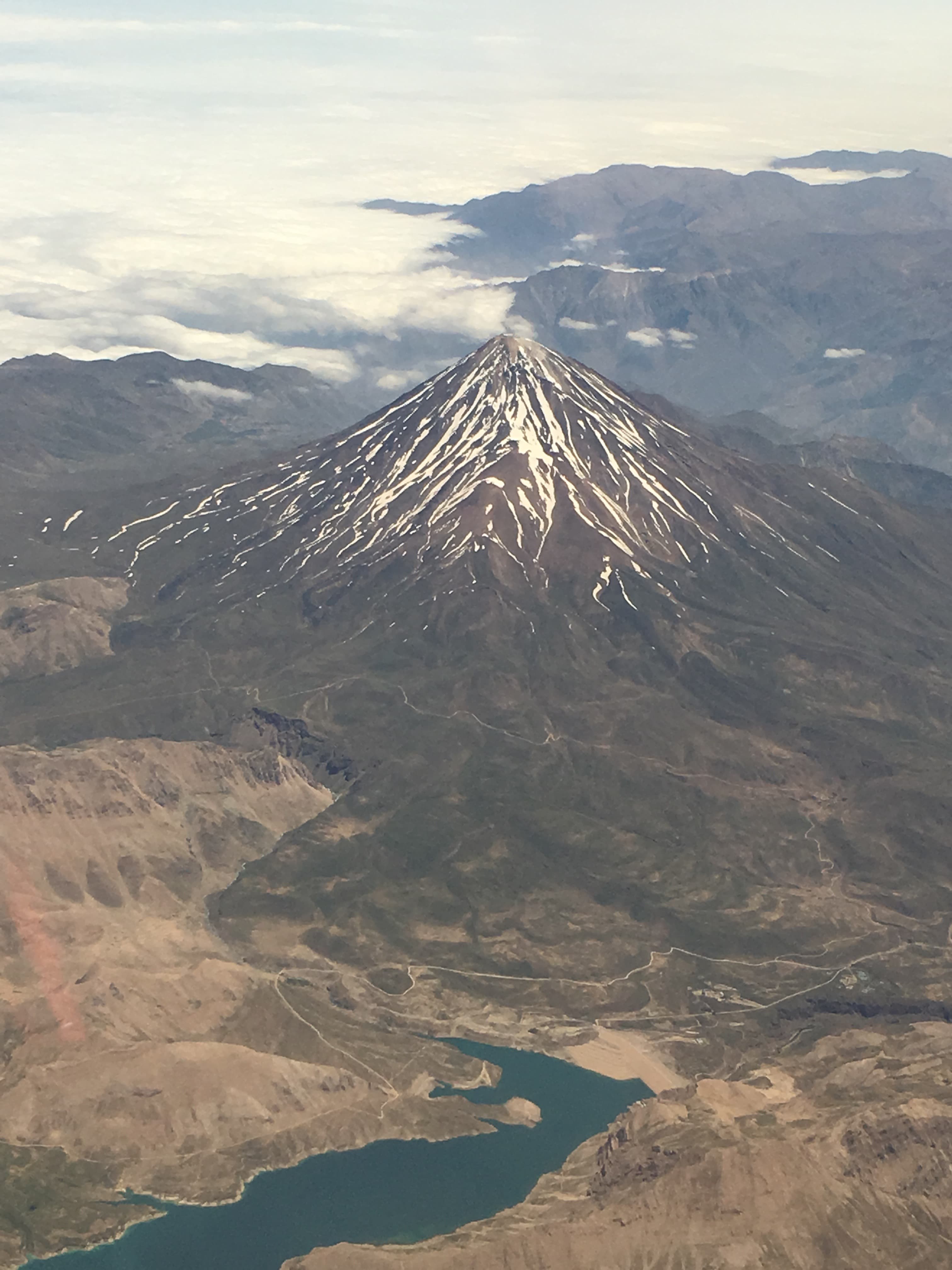
Volcanoes are stunning from above. But volcanic ash can be a hidden risk — and the best leaders learn to spot threats early, stay calm, and act decisively.
Aviation gives us a rare perspective on the world. From the flight deck, landscapes are captivating — and volcanoes can look almost peaceful.
But volcanoes can also present a latent threat.
When a volcano erupts, it can eject an ash cloud containing fine particles (including silica). In flight, that ash can be ingested by engines, where it can melt and fuse, restricting airflow and degrading performance. In the wrong conditions, it becomes far more than “just weather”.
The first image above shows a dormant volcano — a reminder that “quiet” doesn’t always mean “safe”.
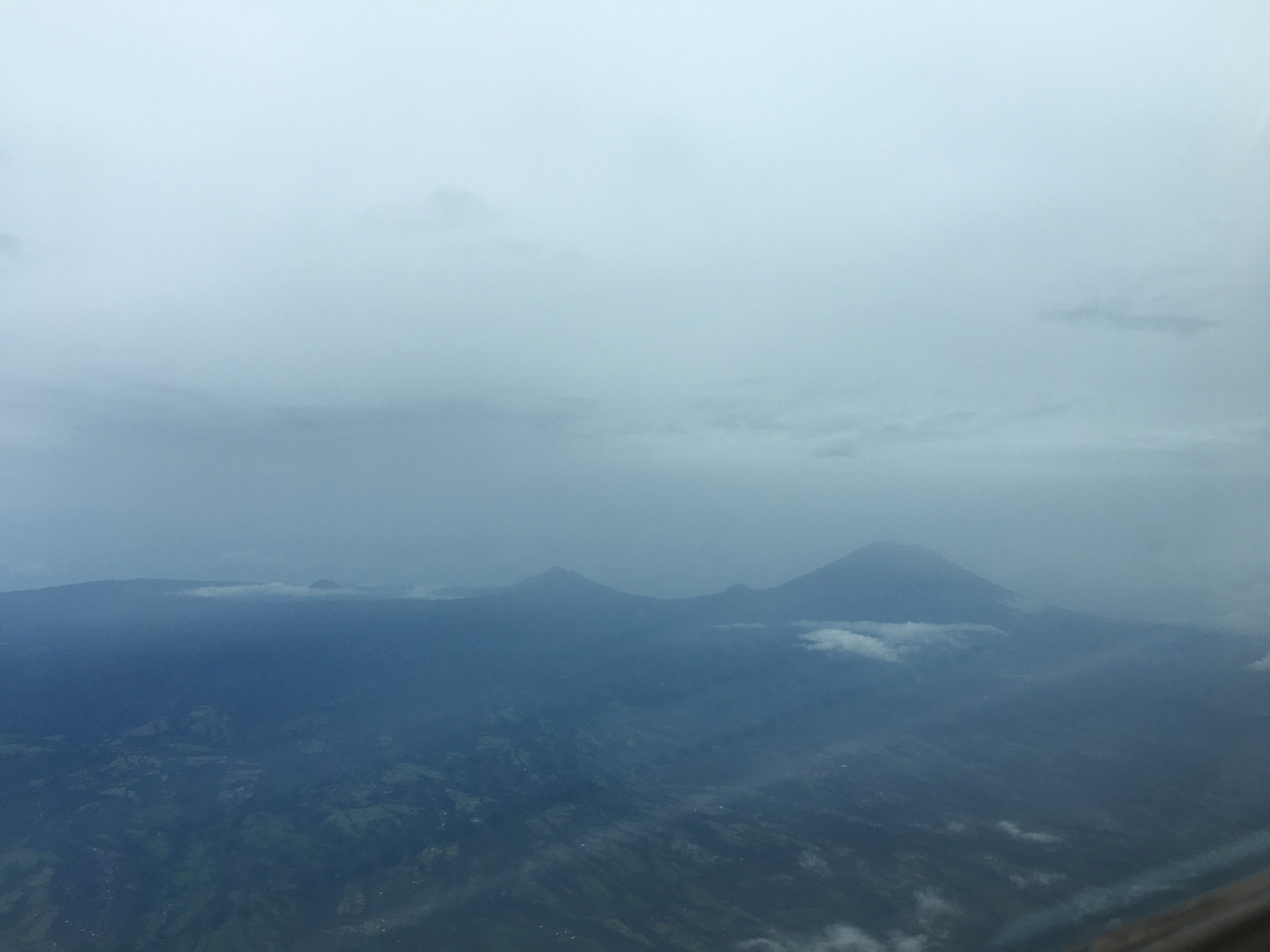
The second photo was taken near Mount Agung (Bali) shortly before it erupted unexpectedly. At that point, the priority wasn’t photography — it was turning away from the hazard and keeping the flight safe.
The leadership lesson
Understanding the risks within your environment is a core leadership skill — part of situational awareness, part of judgement, and part of decision-making under pressure.
And when the status changes suddenly — an “eruption moment” — the process becomes fast, demanding, and fluid:
• Notice the change early
• Interpret what it means
• Communicate clearly
• Take decisive action
• Stay composed while others feel the pressure
If you struggle with unexpected “eruptions” — sudden changes, rising pressure, shifting priorities — Flightpath Mentoring helps you develop the mindset and practical tools to perform at your best when it matters most.
Interested to know more?
Head to the Contact page — or message me directly.
Get new insights by email
Short, practical reflections from the flight deck — no spam, just value.